The missing ingredient in plant-based foods isn’t taste or nutrition
Michael J. Coren | The Washington Post | 19 May 2026
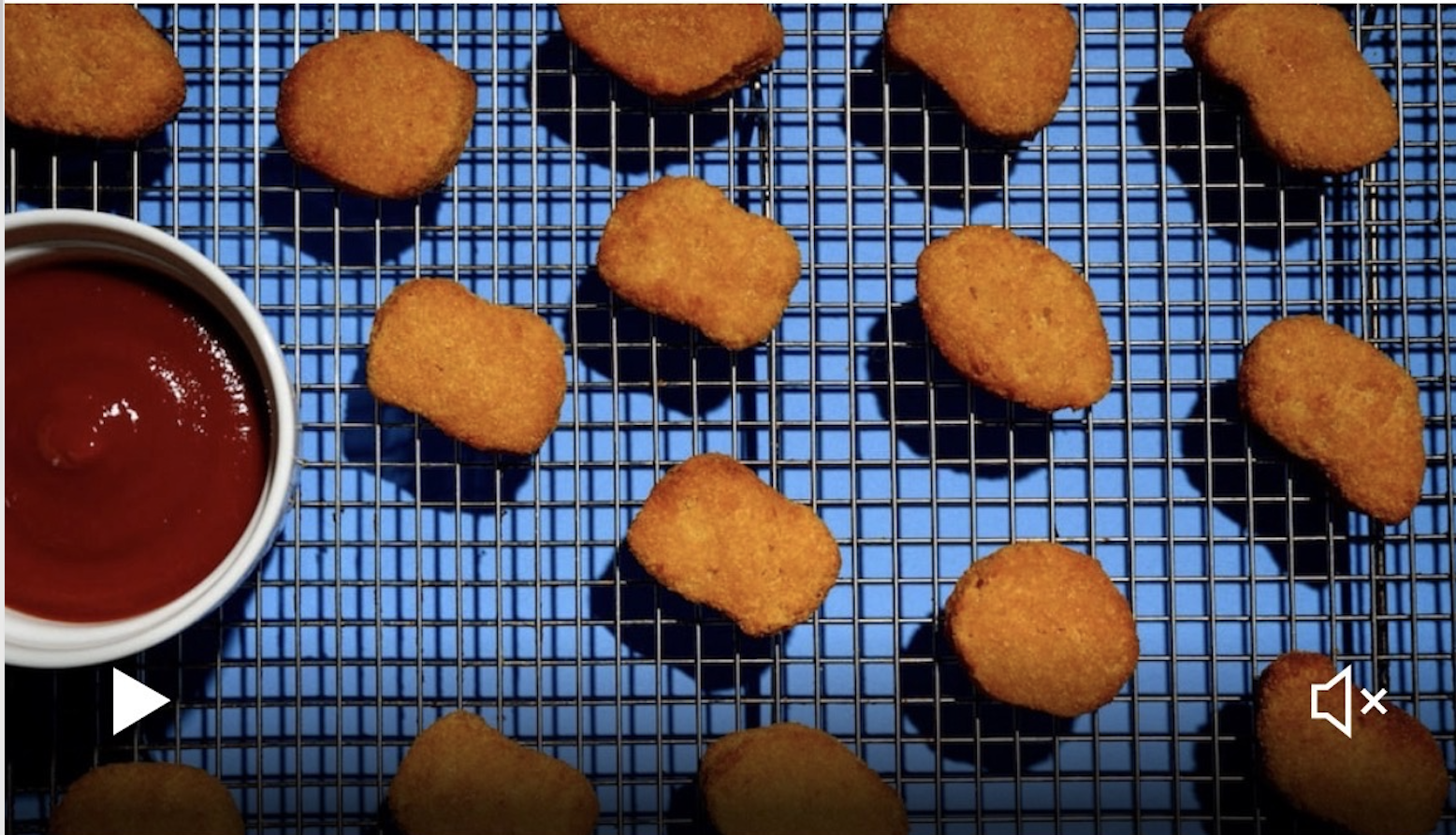
For years, plant-based alternatives to meat and dairy have tried — and failed — to beat the real thing on price and taste.
No longer.
Plant-based foods are nearing or achieving taste parity with meat and dairy products for the first time. In blind taste tests conducted by Nectar, a project of the climate nonprofit Food System Innovations, Califia Farms Oat Barista Blend was ranked as highly as conventional whole milk in head-to-head trials. Impossible and MorningStar Farms nuggets tied with real chicken.
Those remain exceptions, not the rule. After the sizzling success of companies like Beyond and Impossible Foods around 2020, the alt-protein market entered a deep freeze. U.S. retail sales of plant‑based meat have shrunk every year since, and several high‑profile start-ups have closed. Plant-based meat is just “not in vogue right now,” Peter McGuinness, the former CEO of Impossible, admitted last year.
To revive demand, Nectar says, brands need to invest in taste and texture. “Taste is definitely the biggest reason that consumers do not repeat purchase plant-based products,” said Caroline Cotto at Food System Innovations, who oversees Nectar’s work to evaluate and promote plant-based foods.
Most aren’t close to rivaling the animal-based originals. Just 33 percent of participants in Nectar’s study rated dairy-free products with “like” or “like very much,” roughly half the rate of the animal benchmarks.
Products that compete on taste are being rewarded. Plant milk, the best-tasting category in Nectar, has 15 times higher market share than plant-based cheese, the worst rated on taste and texture. A similar relationship was found for meat alternatives.
Yet taste alone will not win over most Americans.
Even when plant-based options are perceived as equal on price and taste, most people keep choosing meat: Only about 1 in 4 consumers pick the plant-based option in choice experiments, according to Rethink Priorities, a research nonprofit focused on animal welfare.The crucial missing ingredient? A cultural story powerful enough to dethrone meat from the center of the plate.
People don’t buy products just for what they do. The 300 or so passenger vehicle models on sale in. America, with thousands of trim configurations, testify to this. We often buy things as an extension of our personality, because of who they make us feel like. And few things are more wrapped up in identity and culture than food, especially meat.
That’s why Emilie Fitch, founder of People for Better Food, a nonprofit promoting plant-rich diets, is recruiting influencers to speak about planet-based benefits that have nothing to do with the environment or animal welfare.
Her first target: young men obsessed with working out. The pitch has nothing to do with climate or animals and everything to do with strength, performance and personal gains. Plant proteins can match or outperform beef on all of them.
“Young men are driving the protein conversation,” Fitch says of the demographic, which is at the core of the 12 percent of elite beef consumers who account for half of all beef eaten in the United States.Fitch is abandoning the appeals that have failed to work for decades (just 4 percent of Americans identify as vegetarian). “We’ve been the Tesla salesperson going to a NASCAR rally,” she said. “We’re trying to sell them something that they don’t want from a person they don’t trust.”
Once price, taste and culture converge, she argues, plant-based foods are far more likely to become more than a side dish for the majority of Americans. “It’s three legs of the stool,” she says. “All need to happen. Personally, I think culture comes first.”